


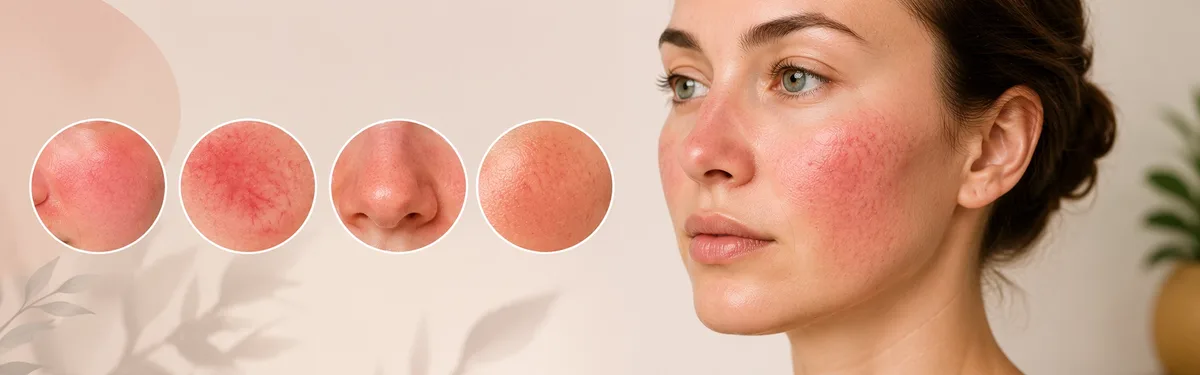
At our CQC-registered dermatology clinic, patients benefit from the expertise of Consultant Dermatologists and experienced medical laser specialists who regularly diagnose and treat rosacea. Our highly experienced therapists, many of whom have worked with the clinic for years, also play an important role in delivering safe, effective care. Patients travel to us from across Kent, including Canterbury, Maidstone, Tunbridge Wells, Ashford, Thanet and the Medway Towns, for specialist assessment and personalised treatment plans. Our aim is to provide an accurate diagnosis, identify the factors contributing to your symptoms and recommend the most appropriate treatment to help improve both your skin and your quality of life.
About the Condition
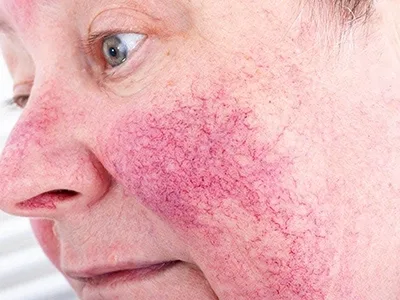
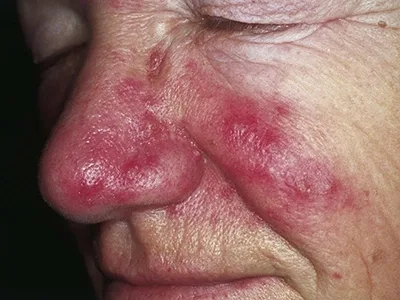
Rosacea is a long-term inflammatory skin condition that most commonly affects the central face, including the cheeks, nose, chin and forehead. It usually develops gradually and can vary significantly in severity from one person to another.
Common symptoms of rosacea include:
- Persistent facial redness
- Frequent flushing or blushing
- Visible thread veins or broken capillaries
- Red bumps and spots
- Sensitive or easily irritated skin
- Burning or stinging sensations
- Eye irritation and dryness in some patients
Although the exact cause of rosacea is not fully understood, it is thought to involve a combination of genetic, immune, environmental and vascular factors. Certain triggers may worsen symptoms, including sun exposure, hot drinks, alcohol, spicy foods, emotional stress, temperature changes and some skincare products.
There are several recognised forms of rosacea. Some patients experience mainly redness and visible blood vessels, while others develop inflammatory spots that can resemble acne. Less commonly, rosacea can cause thickening of the skin, particularly around the nose, or affect the eyes, leading to irritation and discomfort.
Because rosacea can sometimes be mistaken for acne, eczema, seborrhoeic dermatitis or sensitive skin, an accurate diagnosis from a dermatology specialist is important. Early diagnosis and appropriate treatment can help reduce symptoms and prevent the condition from progressing.
How We Treat It
Successful rosacea treatment begins with a thorough assessment by one of our Consultant Dermatologists or our Specialty Doctor. During your consultation, we will evaluate your symptoms, discuss any potential triggers and determine the type and severity of rosacea affecting your skin. Treatment recommendations are tailored to each individual and may include prescription medication, laser or IPL treatment and skincare advice.
For patients with inflammatory rosacea, prescription creams or oral medications may be recommended to reduce inflammation and spot formation. Where ocular rosacea is present, treatment may also be directed towards improving eye symptoms and reducing irritation.
As specialists in medical laser treatment, we offer medical laser and IPL therapies for persistent redness, flushing and visible blood vessels. These treatments target unwanted facial blood vessels with precision and are often a helpful option for patients whose symptoms have not responded fully to topical treatments alone.
Alongside medical and laser treatment, we provide practical advice on skincare, sun protection and trigger management. Small changes to daily routines can often make a real difference in controlling symptoms and reducing flare-ups. By combining Consultant Dermatologist expertise with experienced laser practitioners and long-standing therapists, we offer comprehensive rosacea care under one roof.
When to See a Specialist
Many people live with rosacea symptoms for years before seeking advice, often assuming that facial redness or flushing is simply part of having sensitive skin. However, specialist assessment can help establish an accurate diagnosis and identify treatment options that may significantly improve symptoms.
You may benefit from seeing a specialist if you experience persistent facial redness, recurrent flushing, visible thread veins, acne-like spots that do not respond to conventional acne treatments, or symptoms that are affecting your confidence or quality of life. Patients who experience eye irritation alongside facial redness should also seek assessment, as this may indicate ocular rosacea, and referral to an ophthalmologist may be needed.
Early intervention can often help prevent rosacea from becoming more persistent or severe and may improve long-term outcomes.
Further reading: NHS – Rosacea · DermNet – Rosacea · British Association of Dermatologists
Frequently Asked Questions
Is rosacea curable?
Rosacea is generally considered a chronic condition, meaning it can be managed rather than cured. With appropriate treatment and lifestyle adjustments, many patients achieve good control of their symptoms.
What causes rosacea?
The exact cause remains unclear. Current research suggests that genetics, immune system factors, blood vessel abnormalities and environmental triggers all play a role.
Can laser or IPL treatment help rosacea?
Yes. Medical laser and IPL treatments can be particularly helpful for reducing persistent redness, flushing and visible blood vessels associated with rosacea. Suitability depends on your individual symptoms and skin type, and individual results vary.
Is rosacea the same as acne?
No. Although some forms of rosacea can produce spots and bumps that resemble acne, the two conditions are different and need different treatment approaches.
Can rosacea affect the eyes?
Yes. Ocular rosacea can cause symptoms such as dry, irritated or watery eyes, eyelid inflammation and sensitivity. These symptoms should be assessed by a specialist.
When should I seek treatment for rosacea?
It is advisable to seek specialist advice if symptoms are persistent, worsening, causing discomfort or affecting your confidence. Early diagnosis and treatment can often help achieve better long-term control.
Get your concern assessed
First step
Dermatology Consultation: Specialty Doctor £250, Consultant Dermatologist £300. Patch test £50 if laser or IPL is advised
Appointment
30 minutes
Availability
Usually within 1 to 2 weeks
Treatments for rosacea

Related conditions

“Very friendly, professional and knowledgeable service that doesn’t make you feel as if you are being upsold on treatments for no reason. The IPL treatment for rosacea is incredibly effective and has drastically improved my skin in just two sessions.”
Flora · Patient review
“I have been getting IPL from Dr Alice @ Kent skin and laser to help with my type 1 rosacea. After trying many creams, antibiotics and holistic methods this is the only thing I can say that has made a true and real difference. I’ve had 4 sessions, spaced every 2 weeks and am honestly so pleased with how I am looking after the start of my IPL. I will return in a few months for a maintenance session but the results so far have exceeded my expectations by a long way. Couldn’t recommend this enough ☺️”
Alex · Patient review
“I have, over many years, visited the Skin & Laser Clinic and have always found the staff extremely skilled and friendly, explaining clearly throughout what can be achieved when I’ve requested treatment for pigmentation, rosacea etc. I have the utmost trust in all the clinicians as I know they have had thorough training and I wouldn’t go anywhere else for treatments. Thank you for many years of “being there”.”
Tiggy · Patient review